Bus Servo Motors for Robots | UART, RS485 & CAN Bus Servos | Fashion Star
Multi-Protocol Bus Servo Series for Robotics
Fashion Star develops and manufactures a comprehensive bus servo series across UART, RS-485 and CAN Bus. Combining ID-based multi-servo control and feedback with in-house firmware, control protocols and SDK resources, the product range supports makers, robotic systems and industrial integration.
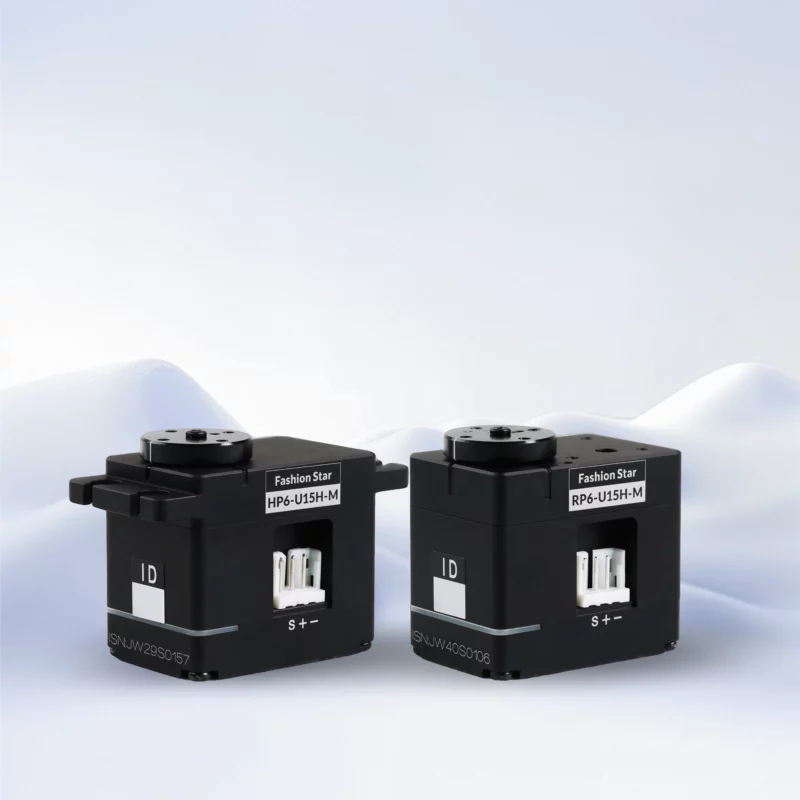 UART
UART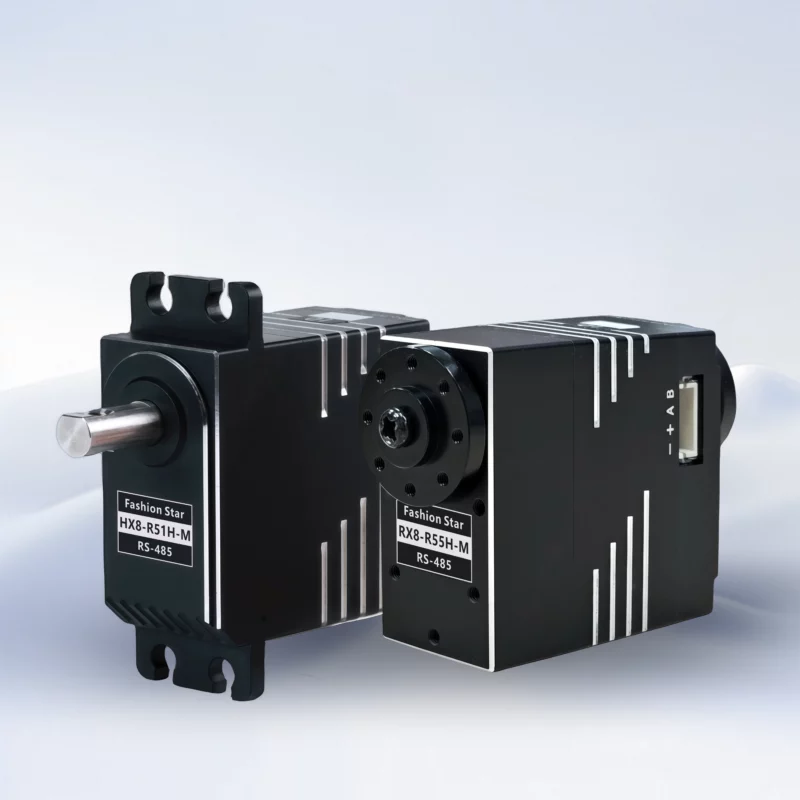 RS-485
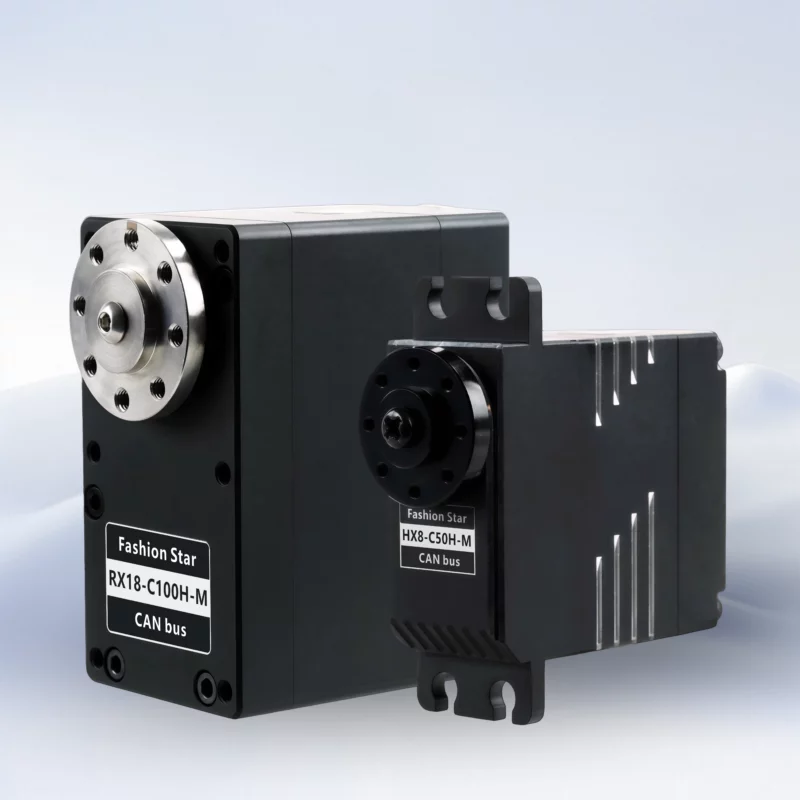 CAN Bus
Bus Servo Solutions for Robotics and Automation
Six application modules inspired by the Fashion Star homepage, using light, minimal visuals created specifically for this page.
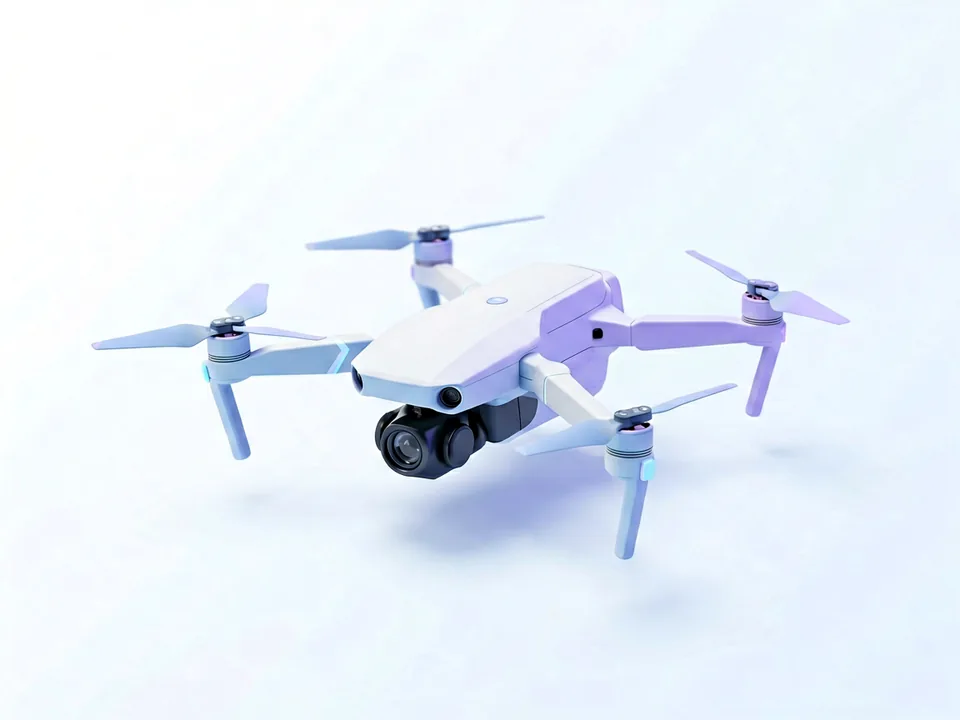
UAV Applications
Stable actuation for lightweight aerial and payload systems.

Industrial Automation
Reliable multi-node control for automated equipment.

Humanoid Joints
Compact feedback joints for expressive robot motion.

Dexterous Hands
Precision actuation for compact multi-finger systems.

Robotic Arms
Programmable motion for research and education platforms.

Gimbal Systems
Smooth multi-axis stabilization and motion adjustment.
Develop with the Platforms You Already Use
Standard platform visuals make the supported development ecosystem easier to scan.
 Arduino
 STM32
STM32 ESP32
ESP32 Raspberry Pi
 Python
 ROS / ROS2
 Jetson
 C++ / MATLAB
Use SDKs, protocol documentation, PC tools and CAD resources to move from wiring to motion control faster.
Three Bus Servo Product Series
UART, RS-485 and CAN Bus are presented as product-series entries with clear primary and secondary actions.
UART Bus Servo
A practical starting point for education robots, compact robotic systems and fast prototyping.
- Simple serial development
- ID management and feedback
- Good for teaching and makers
RS-485 Bus Servo
Designed for longer cable runs, stronger communication reliability and multi-node servo systems.
- Longer wiring scenarios
- Industrial communication
- Automation-friendly control
CAN Bus Servo
For complex robots, distributed motion-control systems and scalable multi-servo integration.
- Distributed robot control
- Multi-node scalability
- Research and advanced robotics
Compare UART, RS-485 and CAN Bus at a Glance
A grey-white comparison table keeps protocol selection clear and easy to scan.
| Protocol | UARTSimple & fast to start | RS-485Longer wiring & reliability | CAN BusDistributed robot systems |
|---|---|---|---|
| Best for | Education robots, desktop arms and early prototypes. | Automation devices and multi-node servo networks. | Humanoid robots, research platforms and distributed systems. |
| Development path | Easiest serial-control path for quick testing. | Medium complexity with stronger wiring tolerance. | Advanced integration for larger robotic architectures. |
| Wiring scenario | Short, simple wiring with fewer control nodes. | Longer wiring, multiple nodes and noisier environments. | Scalable network control for complex robot systems. |
| Selection hint | Choose when simplicity matters most. | Choose when communication distance and stability matter. | Choose when scalability and distributed control matter. |
Quick rule: UART for simplicity, RS-485 for reliable long wiring, CAN Bus for complex distributed robotics.
From Prototype to Integrated Robot
Two-column modules show layout direction and conversion flow without overloading the page with text.
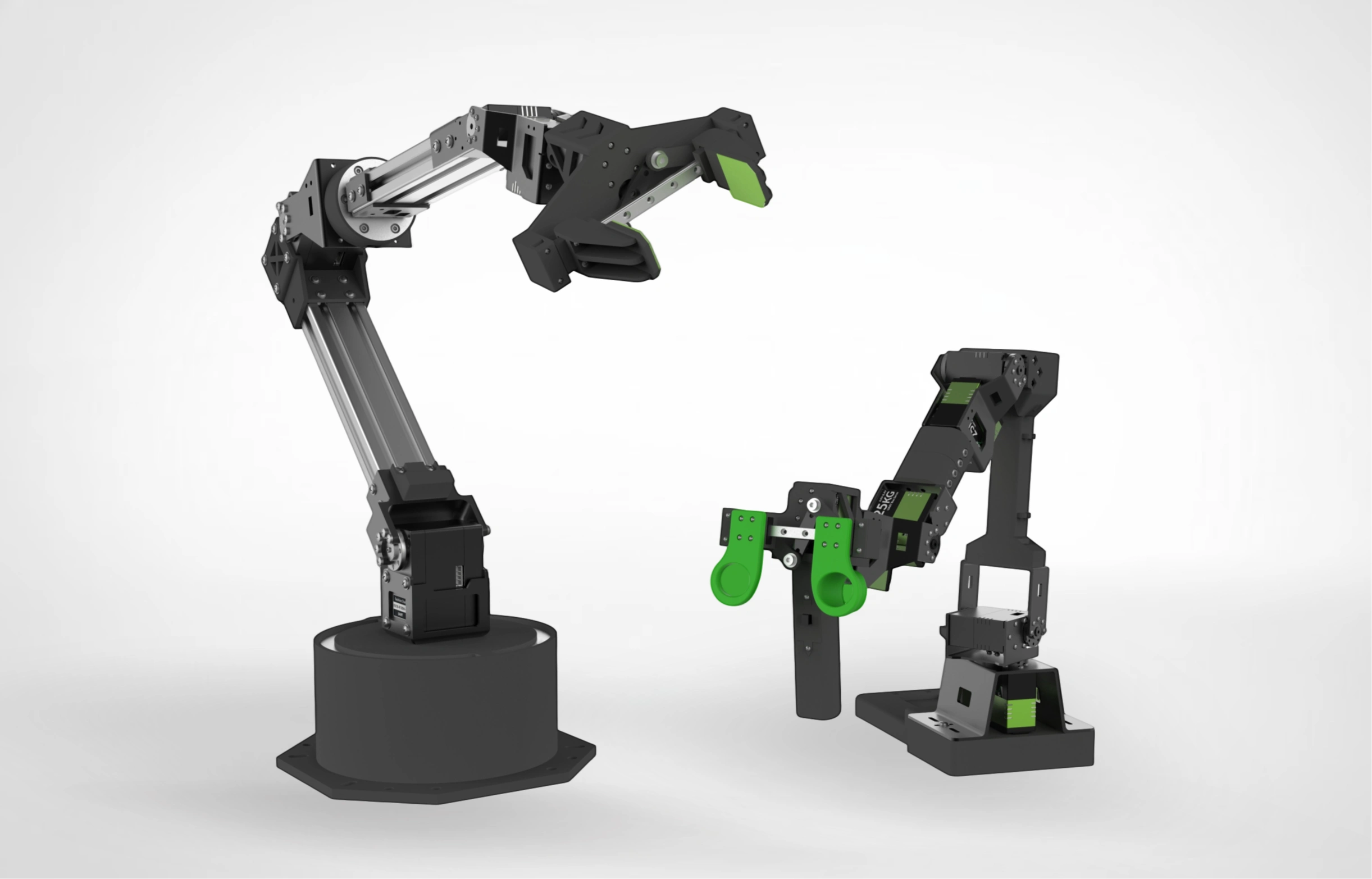
Build Motion Systems with Cleaner Wiring
Use bus communication to reduce wiring complexity and simplify multi-servo control for robotic arms and education platforms.
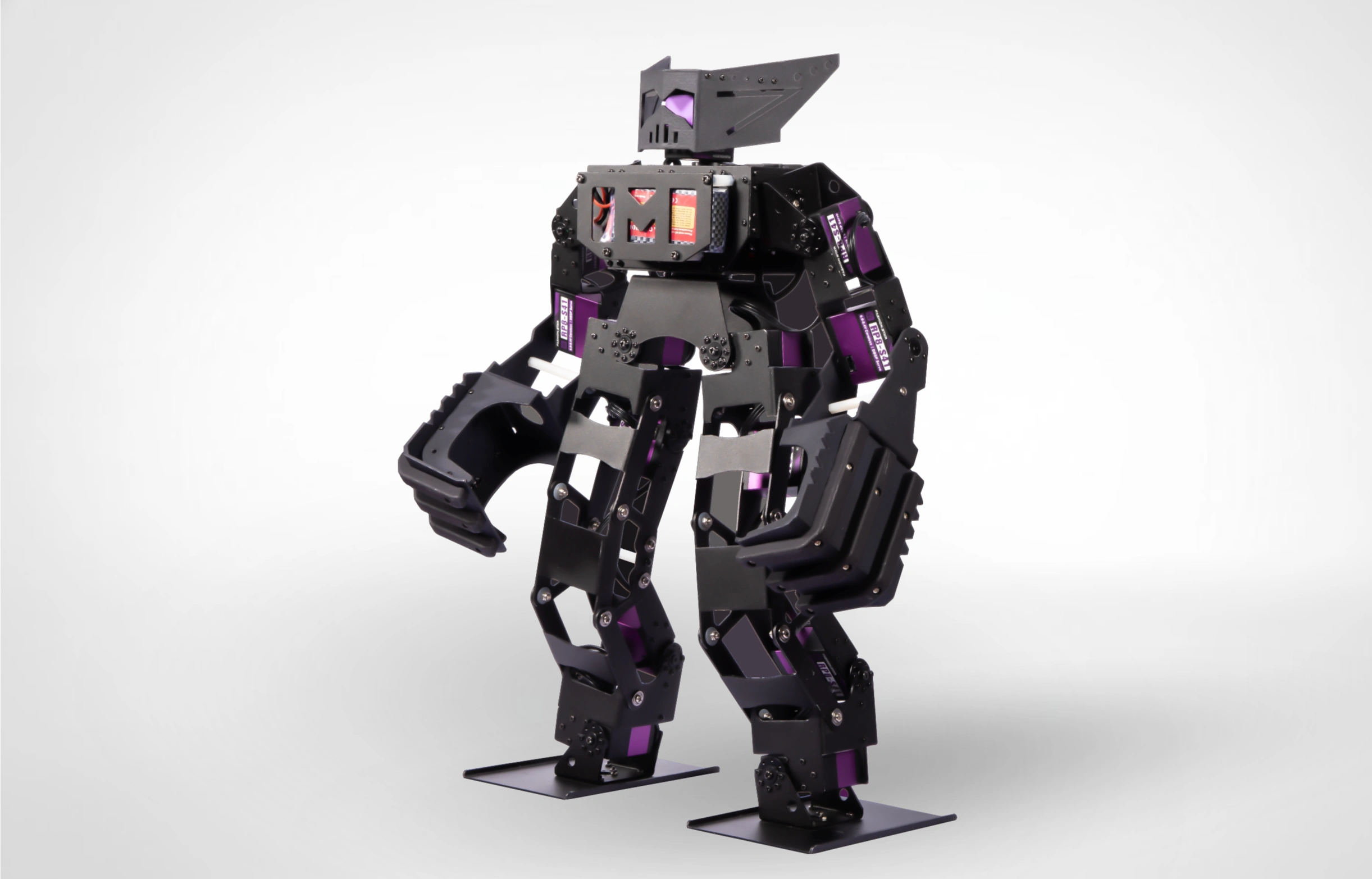
Support Multi-joint Robot Design
For humanoid robots and research platforms, bus servos help organize multiple joints through digital control and feedback-ready integration.
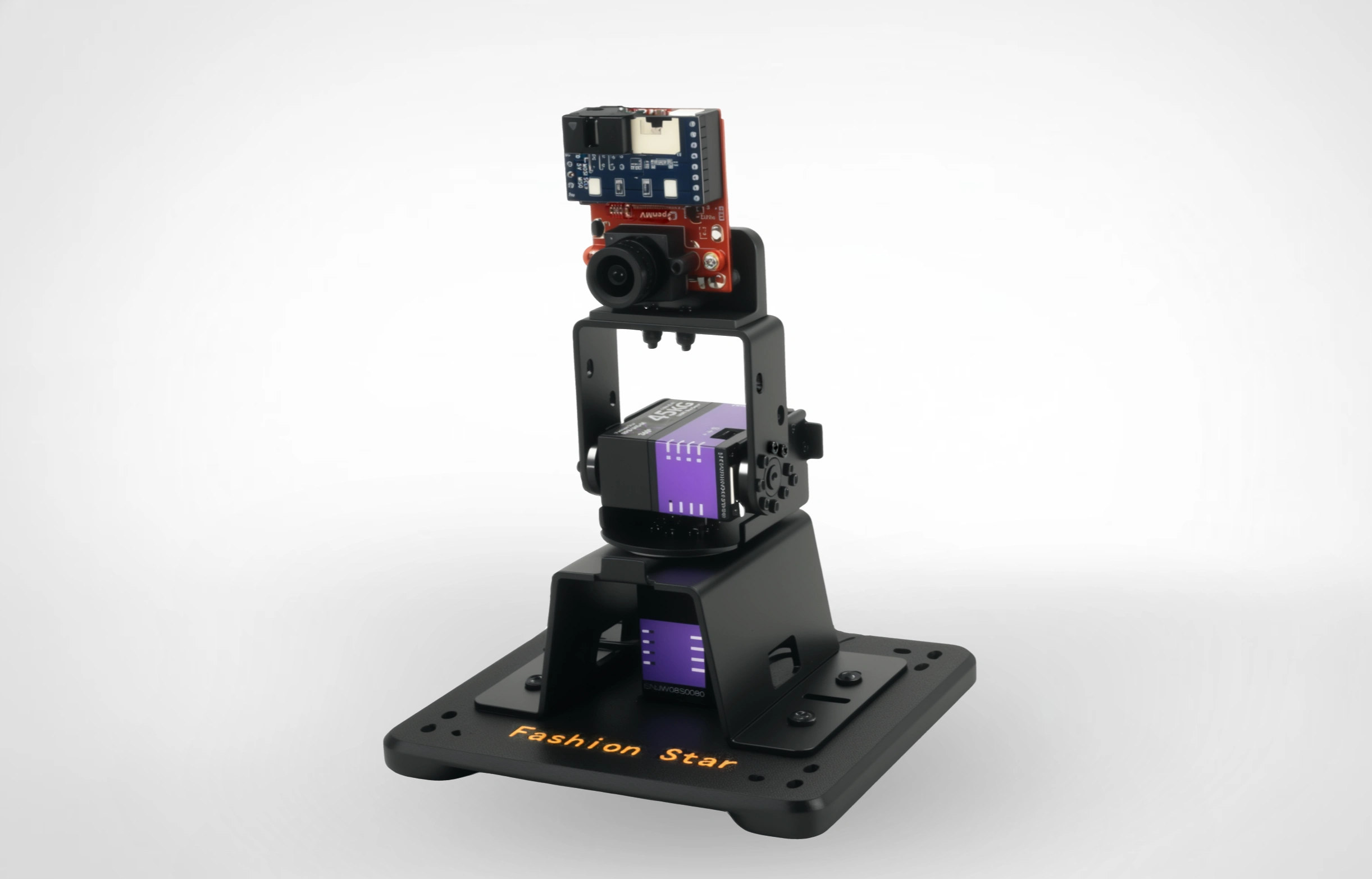
Choose the Right Protocol for Your Environment
Match UART, RS-485 or CAN Bus to your wiring distance, controller ecosystem, noise environment and project scale.
Documentation and Engineering Resources
Find the resources you need for product selection, wiring, protocol integration, software development and mechanical design.
User Manual
Read setup instructions, wiring guidance, basic operation steps and safety notes.
SDK
Access resources for Arduino, STM32, ESP32, Raspberry Pi, Python, C++ and ROS.
API
Review commands, control logic and data feedback workflows.
CAD Files
Download drawings and 3D models to check dimensions and mounting space.
PC Software
Test communication, set IDs, adjust parameters and verify motion behavior.
Wiki / FAQ
Browse technical documentation, troubleshooting notes and product resources.
Bus Servo FAQ
Accordion FAQ with only the active question title highlighted in the brand color.
What is a bus servo?
A bus servo is a smart servo motor controlled through a digital communication bus instead of a simple PWM signal. It can usually be assigned an ID, controlled through serial commands and used in multi-servo systems.
What is the difference between a bus servo and a PWM servo?
A PWM servo is typically controlled by pulse width signals and is often used for simpler angle-control applications. A bus servo uses digital communication, making it more suitable for multi-servo control, ID management and programmable robotics systems.
Should I choose UART, RS-485 or CAN Bus servo?
Choose UART if you need a simple and fast development path. Choose RS-485 if your system needs longer wiring, multiple nodes or stronger reliability. Choose CAN Bus if you are building a more complex distributed robot.
Can bus servos be used in robotic arms?
Yes. Bus servos are commonly used in robotic arms because they support programmable control, cleaner wiring and feedback-enabled motion.
Do Fashion Star bus servos support SDKs and development platforms?
Fashion Star provides technical resources for multiple development paths, including Arduino, STM32, ESP32, Raspberry Pi, Python and ROS-related workflows.
Where can I find manuals, CAD files and protocol documentation?
You can find product manuals, communication protocol documents, SDK resources, CAD files, PC software and troubleshooting information in the Fashion Star Wiki.