Correctly Setting Protection Parameters (Power, Voltage, and Temperature)
1.1 Voltage Protection
When the actual operating voltage of a bus servo exceeds or falls below the preset protection threshold, the servo automatically releases torque and enters the protection state. To restore normal operation, power-cycle the servo.

Note: Some power supplies ramp up slowly during startup, which may trigger undervoltage protection. To reduce false triggering, set the undervoltage protection threshold to 4000 mV. Setting the overvoltage threshold too high can cause irreversible damage to internal components, so do not change the factory setting unless necessary.
1.2 Stall Unlock Protection
This parameter defines how the bus servo responds when a stall occurs. It acts as the stall unlock protection switch. After it is enabled, the servo loses holding torque after stalling and enters a freely released state.

1.3 Power Protection
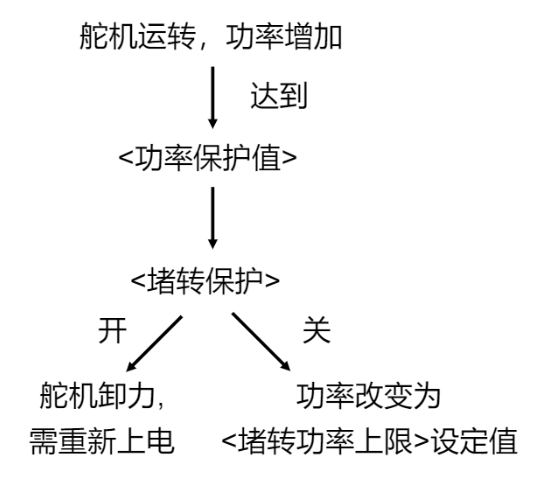
Power protection provides two response modes. Use it together with the stall protection switch to achieve the required protection behavior.
For example, in gripper applications, mode 2 is recommended. After the object is determined to be held, the gripper can maintain a certain force while preventing the servo from being overloaded. If the goal is mainly protection, mode 1 is recommended.

-
Mode 1 (stall protection on): When the servo power reaches the preset protection value, the servo automatically releases torque and enters the protection state. To restore normal operation, power-cycle the device.
-
Mode 2 (stall protection off): After the servo power reaches the configured value A (power protection value), the system automatically reduces the power to a lower preset value B (stall power limit), ensuring that the power does not exceed B (note: B < A). This helps prevent overload and keeps the device operating within a safe range.
1.4 Temperature Protection
When the internal temperature of the servo exceeds the configured threshold, the servo enters the temperature protection state, preventing continued heating that could damage the servo or the servo.
Note: Setting the temperature protection threshold too high can cause irreversible hardware damage.